
How to Build Trust Online: Website Essentials for African Businesses

In today’s digital landscape, building trust online is crucial for African businesses looking to expand their reach and compete globally. Furthermore, with over 500 million internet users across Africa and growing e-commerce adoption, your website often serves as the first point of contact with potential customers. Therefore, building credibility through your digital presence can make the difference between a thriving business and one that struggles to gain traction.
As we’ve discussed in our guide on why going digital is no longer optional for African businesses, establishing an online presence is just the first step. Building trust through that presence is what drives real business results.
Why Building Trust Online Matters for African Businesses
African entrepreneurs face unique challenges in the digital space. Unfortunately, many customers remain cautious about online transactions, particularly when dealing with unfamiliar brands. Moreover, according to recent studies from Statista, 73% of consumers research a company online before making a purchase decision. Consequently, your website must immediately communicate reliability, professionalism, and authenticity to overcome initial skepticism and convert visitors into customers.
In addition, the stakes are particularly high for African businesses entering international markets, where building trust online from thousands of miles away requires exceptional attention to trust-building elements. If you’re experiencing hesitation about digital transformation, check out our article on 5 signs your African business needs to go digital now.
Essential Elements for Building Trust Online
Professional Design and User Experience
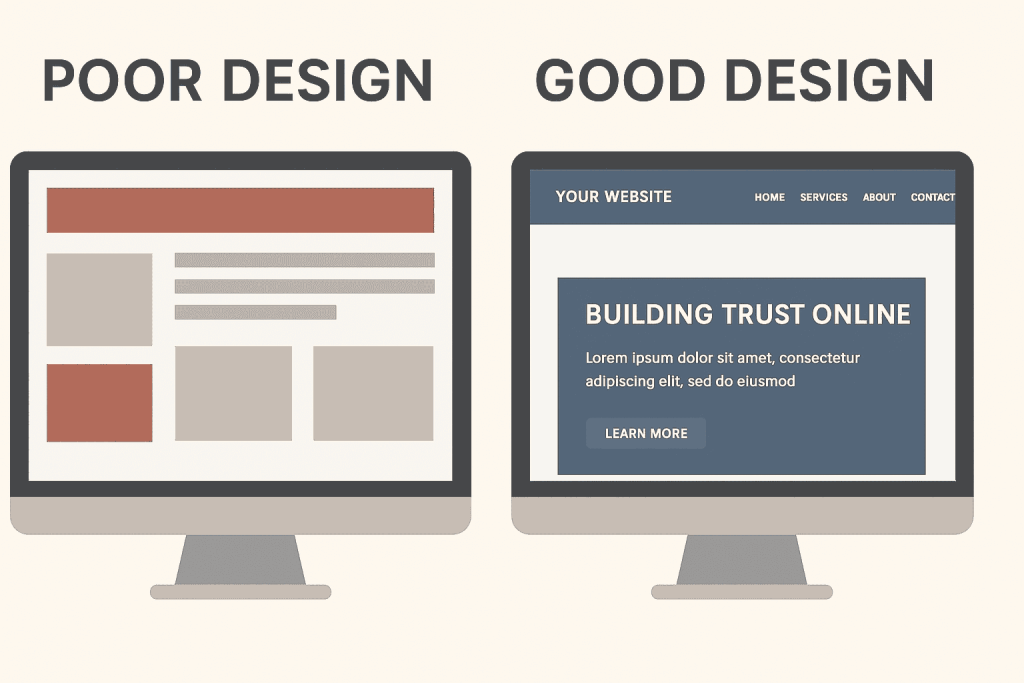
Your website’s visual appeal and functionality create the first impression visitors will have of your business. Unfortunately, a poorly designed site immediately raises red flags about your professionalism and reliability.
Therefore, invest in a clean, modern design that reflects your brand identity. Additionally, ensure your website loads quickly across different devices and internet speeds, considering that many African users still rely on slower connections. Furthermore, navigation should be intuitive, with clear menus and logical page structures that help visitors find information effortlessly.
Most importantly, mobile optimization is non-negotiable for building trust online, as mobile internet usage dominates across Africa. As a result, your site must provide an excellent experience on smartphones and tablets, with responsive design that adapts seamlessly to different screen sizes.
Before diving into design, make sure you’ve chosen the right foundation by reading our complete guide to choosing a domain name for your African business.
Clear Contact Information and Physical Presence
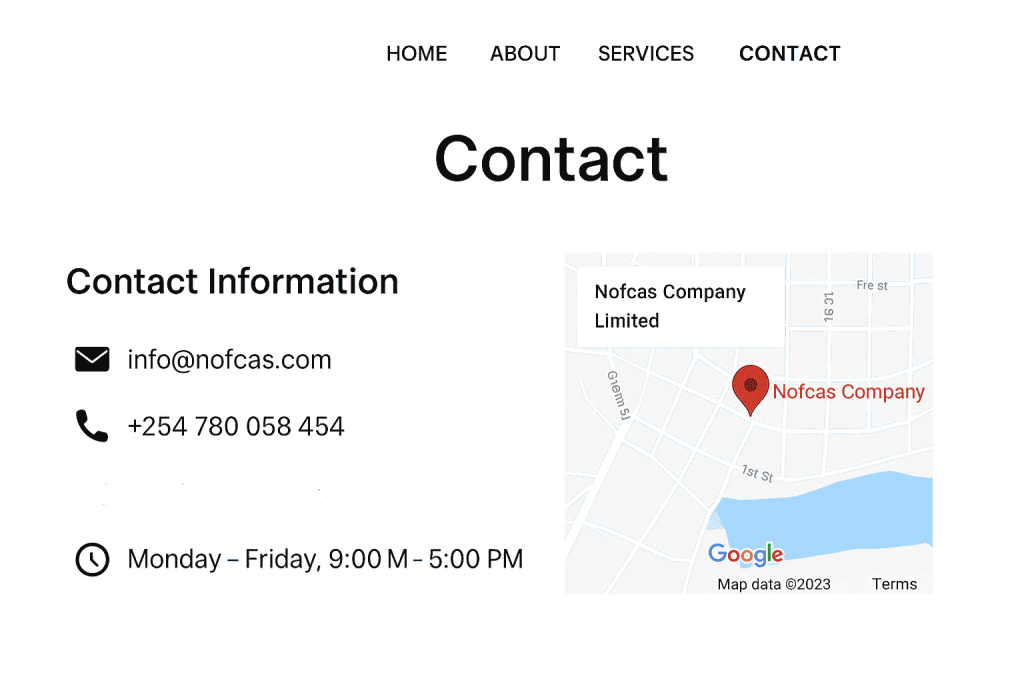
Transparency about your business location and contact methods builds immediate credibility. Therefore, display your physical address prominently, even if you operate primarily online. Additionally, include multiple contact options such as phone numbers, email addresses, and social media handles.
Furthermore, consider adding a Google Maps integration showing your business location. This simple addition provides visual confirmation of your physical presence and makes it easier for local customers to find you. However, if you have multiple locations, create dedicated pages for each with specific contact information and operating hours.
For more guidance on local business optimization, check out Google’s My Business help center.
About Us Page That Tells Your Story
Your About Us page is often the second most visited page after your homepage. Therefore, use this space to share your company’s mission, values, and the story behind your business. Additionally, include professional photos of your team and leadership, as putting faces to names humanizes your brand and builds personal connections.
Moreover, highlight your experience, qualifications, and any relevant certifications or awards. Furthermore, share your vision for serving African markets and your commitment to customer satisfaction. Ultimately, this transparency helps visitors understand who they’re doing business with and why they should trust you.
Customer Testimonials and Reviews
Social proof is one of the most powerful trust-building tools available. Therefore, showcase genuine customer testimonials prominently throughout your website. In addition, include the customer’s name, photo if possible, and location to add authenticity.
Furthermore, create case studies that detail how you’ve solved specific problems for clients. These in-depth stories demonstrate your expertise and provide concrete examples of successful outcomes. Similarly, if you serve both local and international clients, include testimonials from various markets to show your broad appeal.
Finally, integrate third-party review platforms like Google Reviews, Trustpilot, or industry-specific review sites. Consequently, display your ratings and recent reviews on your homepage and relevant product pages to build trust online effectively.
Security Badges and Certifications
Display security certificates and trust badges prominently, especially on pages where customers enter personal information or make payments. Indeed, SSL certificates are essential for any website building trust online, but particularly important for e-commerce sites handling sensitive customer data.
Furthermore, if you’re registered with local business associations, chambers of commerce, or industry bodies, display their logos and certification numbers. For example, organizations like the African Development Bank or local chambers provide credibility markers. Ultimately, these third-party endorsements provide additional credibility and show your commitment to professional standards.
Detailed Product or Service Information
Transparency in your offerings builds trust and reduces customer anxiety. Therefore, provide comprehensive descriptions of your products or services, including specifications, pricing, and terms of service. Additionally, high-quality photos or videos showcase your offerings effectively and reduce uncertainty about what customers will receive.
Moreover, include clear information about shipping policies, return procedures, and customer support processes. Ultimately, the more information you provide upfront, the more confident customers will feel about doing business with you.
Building Trust Online Through Content
Regular Blog Posts and Industry Insights
Consistently publishing valuable content demonstrates your expertise and keeps your website active. Therefore, share insights about your industry, trends affecting African markets, and practical advice relevant to your target audience.
Additionally, use your blog to address common customer questions and concerns. This proactive approach to customer service builds trust and positions you as a helpful resource rather than just another business seeking sales.
Local Market Knowledge
Showcase your understanding of local markets, cultural nuances, and regional preferences. Therefore, this knowledge demonstrates that you’re not just another international company trying to enter African markets, but rather a business that truly understands and serves local needs.
Furthermore, share success stories specific to different African countries or regions where you operate. For insights into regional market trends, refer to resources like the African Union’s economic reports. Consequently, this localized approach helps build trust with customers who want to work with businesses that understand their unique contexts.
Technical Trust Factors
Website Speed and Performance
Slow-loading websites create frustration and raise questions about your technical competence. Therefore, optimize your site for fast loading times, particularly considering varying internet speeds across African markets. Additionally, use content delivery networks (CDNs) to ensure consistent performance regardless of user location.
Furthermore, regular website maintenance and updates show that you’re actively managing your online presence. Consequently, keep your content fresh, fix broken links promptly, and ensure all features work as intended.
Search Engine Optimization
A website that ranks well in search results appears more credible to users when building trust online. Therefore, implement proper SEO practices to improve your visibility for relevant keywords. Moreover, this includes optimizing your content for local search terms and ensuring your business appears in Google My Business listings. For comprehensive SEO guidance, consult Google’s Search Engine Optimization guide.
Privacy Policy and Terms of Service
Clear, comprehensive legal documents demonstrate professionalism and compliance with data protection regulations. Although these pages might seem boring, they’re essential for building trust, particularly with international customers who want assurance about how their information will be handled.
Ongoing Strategies for Building Trust Online
Consistent Communication
Maintain regular communication with your audience through newsletters, social media, and blog updates. Furthermore, consistency in messaging and frequency builds familiarity and trust over time.
Additionally, respond promptly to customer inquiries and social media comments. Ultimately, quick, helpful responses show that you value customer relationships and are actively engaged with your audience.
Transparency in Operations
Share behind-the-scenes content that shows how your business operates. For example, this might include manufacturing processes, team meetings, or community involvement activities. Ultimately, transparency builds trust by giving customers insight into your business practices.
Moreover, be honest about challenges and how you’re addressing them. This authenticity resonates with customers and shows that you’re committed to continuous improvement.
Measuring Trust and Credibility
Track metrics that indicate growing trust in your brand. For instance, these might include increased time spent on your website, higher conversion rates, more repeat customers, and positive feedback from user surveys.
Additionally, monitor your online reputation regularly through Google Alerts and social media monitoring tools. Furthermore, address negative feedback promptly and professionally, showing potential customers how you handle problems.
Conclusion
Building trust online requires consistent effort across multiple areas of your digital presence. Specifically, for African businesses, establishing credibility through your website is particularly important as you compete in both local and international markets.
Therefore, focus on creating a professional, transparent, and user-friendly website that clearly communicates your value proposition and commitment to customer satisfaction. Furthermore, combine technical excellence with authentic storytelling and consistent communication to build lasting trust with your target audience.
However, remember that trust building is an ongoing process, not a one-time effort. Consequently, continuously improve your website, gather customer feedback, and adapt your approach based on what works best for your specific market and audience.
Finally, by implementing these website essentials for building trust online, African businesses can overcome initial skepticism, build strong customer relationships, and create sustainable competitive advantages in the digital marketplace. Ultimately, your website is more than just an online brochure it’s your most powerful tool for building the trust that drives business growth.
📢 Stay Connected: Join our official Telegram channel for updates:
→ Nofcas Official Channel📱 Stay Connected: Join our WhatsApp channel for updates and insights.
→ Nofcas WhatsApp Channel